Charging Ahead: How Indonesia’s Electronic Vehicle Market Is Accelerating Growth
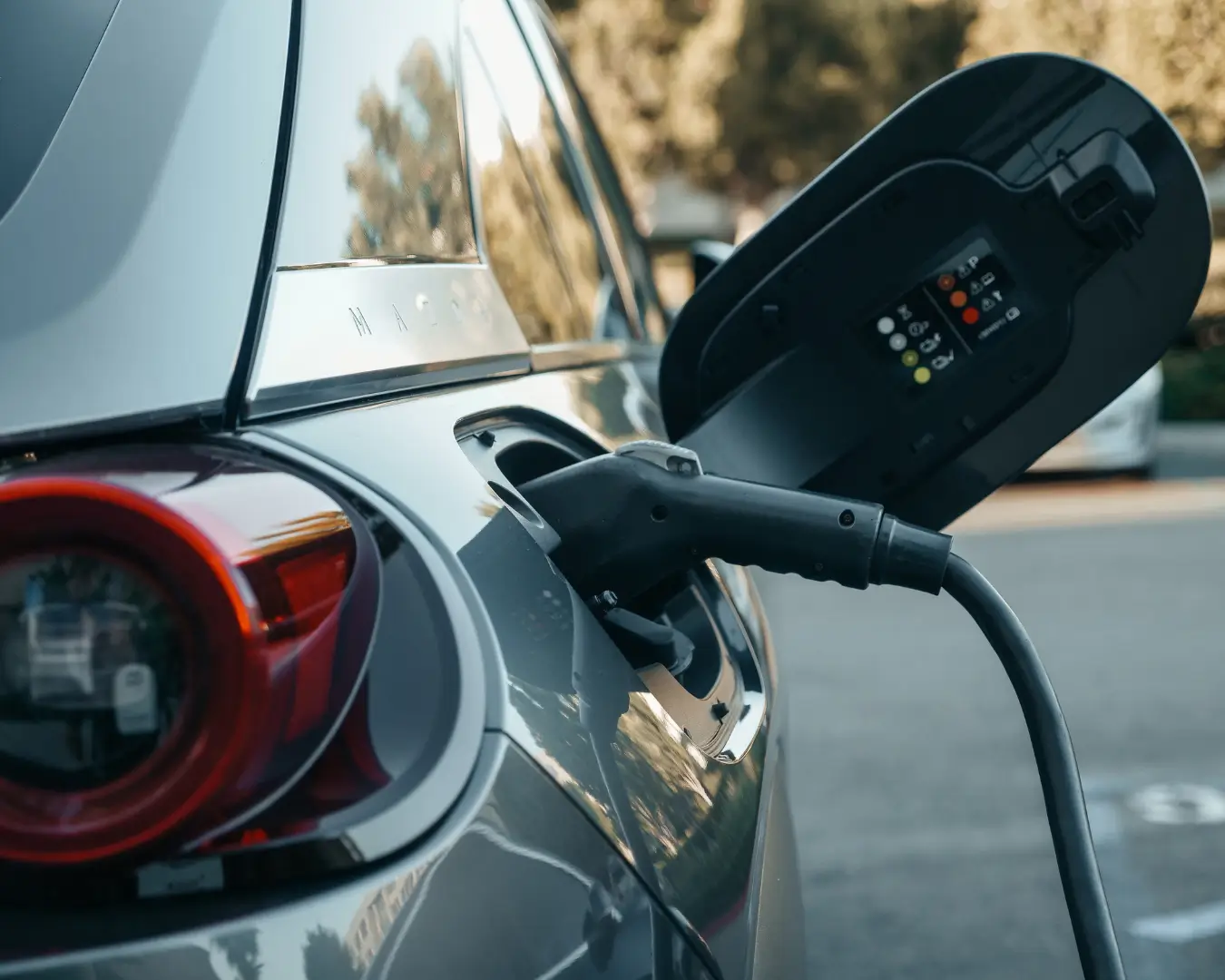
Indonesia’s EV industry is scaling fast. The government targets 600,000 EV units produced annually by 2030, with momentum already building toward 2025. PLN is expanding its charging infrastructure aggressively, reaching 3,233 public charging stations by the end of 2024, a nearly 300% jump from the year before. During the 2025 Eid holidays, EV charging transactions increased almost fivefold compared to 2024. Proof that adoption is no longer just policy-driven, but consumer-driven too.
Global players are betting big on Indonesia. Seven EV brands, including BYD, Volkswagen, and VinFast, have committed around IDR 15.4 trillion to local factories with a combined capacity of 281,000 units per year. Hyundai and LG Energy also opened the country’s first EV battery cell factory in Karawang, a $1.1 billion investment that strengthens Indonesia’s position as a regional supply chain hub. These large-scale commitments highlight the increasing need for structured financing and alternative financing to support ecosystem-wide expansion.
Financing data reflects the same trend. By March 2025, multifinance companies had disbursed IDR 16.63 trillion in EV-related financing, equal to about 3% of their total portfolio. With rising consumer demand, government fleet purchases, and fiscal incentives, EV financing is quickly becoming a mainstream segment in Indonesia’s financial market. This growth also drives demand for flexible working capital, particularly for distributors, dealers, and component suppliers managing inventory cycles and rising order volumes.
For companies driving this momentum, whether in manufacturing, charging networks, or component supply, the challenge is scaling fast without losing control. Equity can be costly, while alternative financing offers flexibility for production, working capital, and infrastructure expansion. With the right capital structure, EV businesses can capture market opportunities today and position themselves for long-term growth in Indonesia’s green mobility future.
As competition heats up, speed matters. Projects that secure timely financing can move faster to build capacity, expand distribution, and strengthen partnerships. Alternative financing helps bridge this gap; enabling businesses to act on opportunities now, instead of waiting for slower capital cycles. In an industry evolving as quickly as EV, this agility often makes the difference between leading the market and playing catch-up.