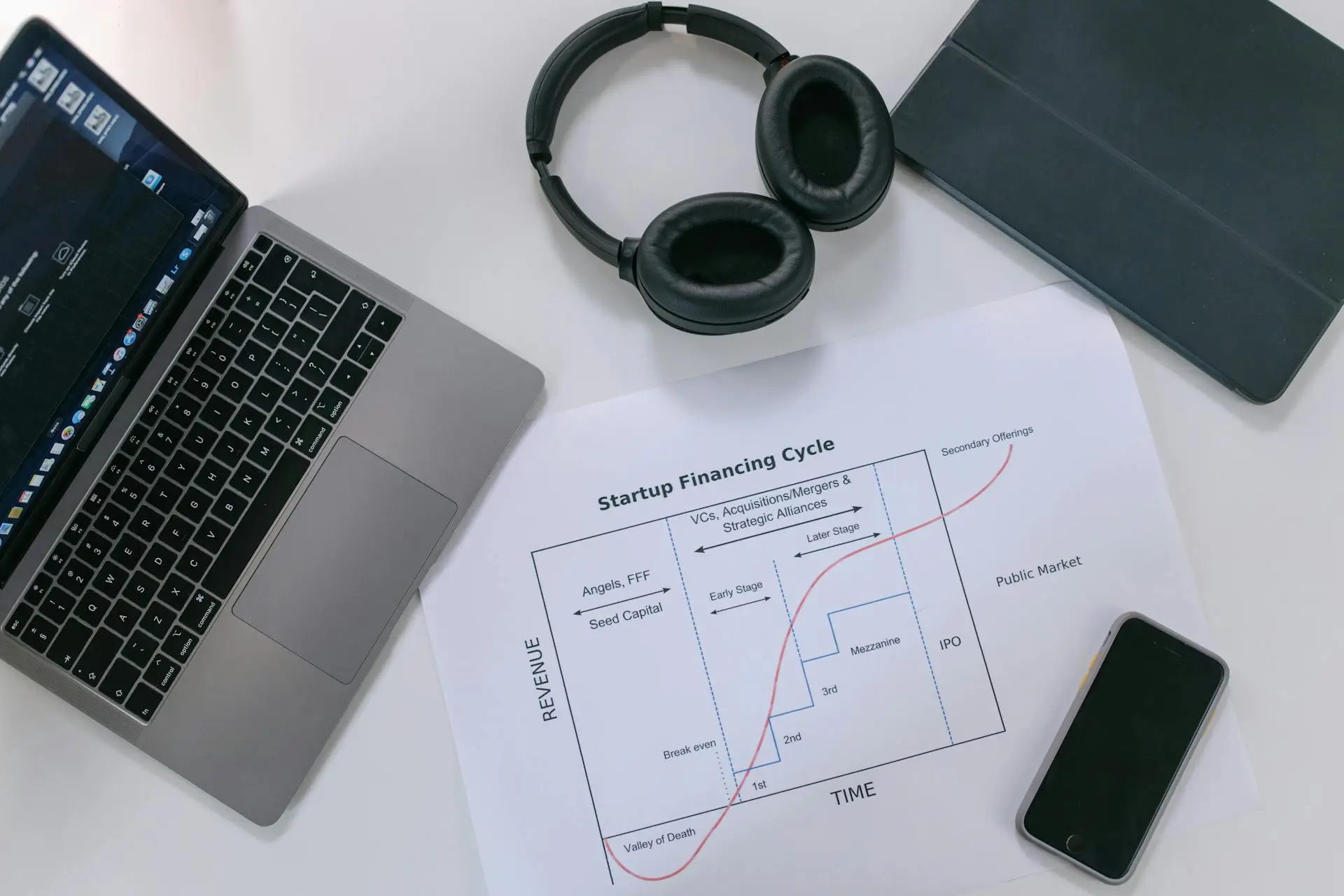
What Is Venture Capital? A High-Growth Financing Strategy for Indonesian Businesses

In Indonesia’s constantly transforming economic landscape, capital often serves as the dividing line between companies that merely have a good idea and those that succeed in dominating the market.
For business owners or emerging enterprises currently in an expansion phase, understanding the right funding instruments is no longer just an option, it is a strategic necessity. One of the most crucial instruments, yet often shrouded in complexity, is venture capital.
Understanding the Definition of Venture Capital
Fundamentally, venture capital is a form of equity funding or alternative financing aimed at startups and growing companies that have high long-term growth potential.
Unlike conventional bank loans, which rely heavily on physical collateral, venture capital operates on a different logic: it invests in future potential, scalable business models, and the quality of a company’s leadership.
In Indonesia, this industry operates under the strict supervision of the Financial Services Authority (OJK). This is important to ensure that partnerships between business owners and capital providers run professionally, transparently, and in accordance with applicable financial regulations.
How Venture Capital Works: Speed and Data Analysis
For businesses operating in fast-moving sectors such as technology, electric vehicles, or the creative industry, time is the most valuable currency. The way modern venture capital works, as applied within the Qverse ecosystem, is designed to support this speed without compromising analytical rigor. Below is its workflow:
- Data-Based Screening: The process begins with an in-depth evaluation using insights and analytics systems. This is done to assess real business performance, not merely predictions on paper.
- Flexible Funding Structures: Once potential is validated, the venture capital firm arranges the most suitable funding structure. This may take the form of equity participation or instruments such as venture debt, which offer greater flexibility to business owners.
- Partnership and Risk Sharing: One of the hallmarks of venture capital is the concept of risk sharing. If the business faces challenges, the capital provider also feels the impact, giving them a strong incentive to help the business succeed through strategic support.
- Growth Acceleration: With timely capital injection, businesses can immediately increase production capacity, expand distribution networks, or strengthen strategic partnerships before market momentum is lost.
Why Modern Businesses Need Venture Capital
Many entrepreneurs encounter obstacles due to traditional financing systems that tend to be slow and rigid. For those managing operations with high cognitive loads, the complexity of banking bureaucracy is often an exhausting distraction. Venture capital offers a more agile solution.
Its main advantage lies in the ability to scale up quickly. For example, a company seizing opportunities in Indonesia’s electric vehicle (EV) market needs substantial working capital to manage inventory cycles that keep rising along with surging consumer demand. Waiting for conventional loans that take months to process could cause the company to miss golden opportunities while the market is hot.
Examples of Venture Capital Implementation in Indonesia

Today’s venture capital ecosystem has expanded into various sectors that touch the daily lives of Indonesians:
- Green Mobility Sector (EV): Major investments are being allocated to build battery cell factories and expand public charging infrastructure to support the government’s ambitious targets for electric vehicle production.
- Education Sector: Venture capital helps educational institutions manage cash flows affected by tuition cycles, enabling them to expand facilities steadily.
- Creative & Fandom Industry: With the phenomenon of fan loyalty driving high spending, creative businesses use alternative financing to keep up with exploding demand from fan communities.